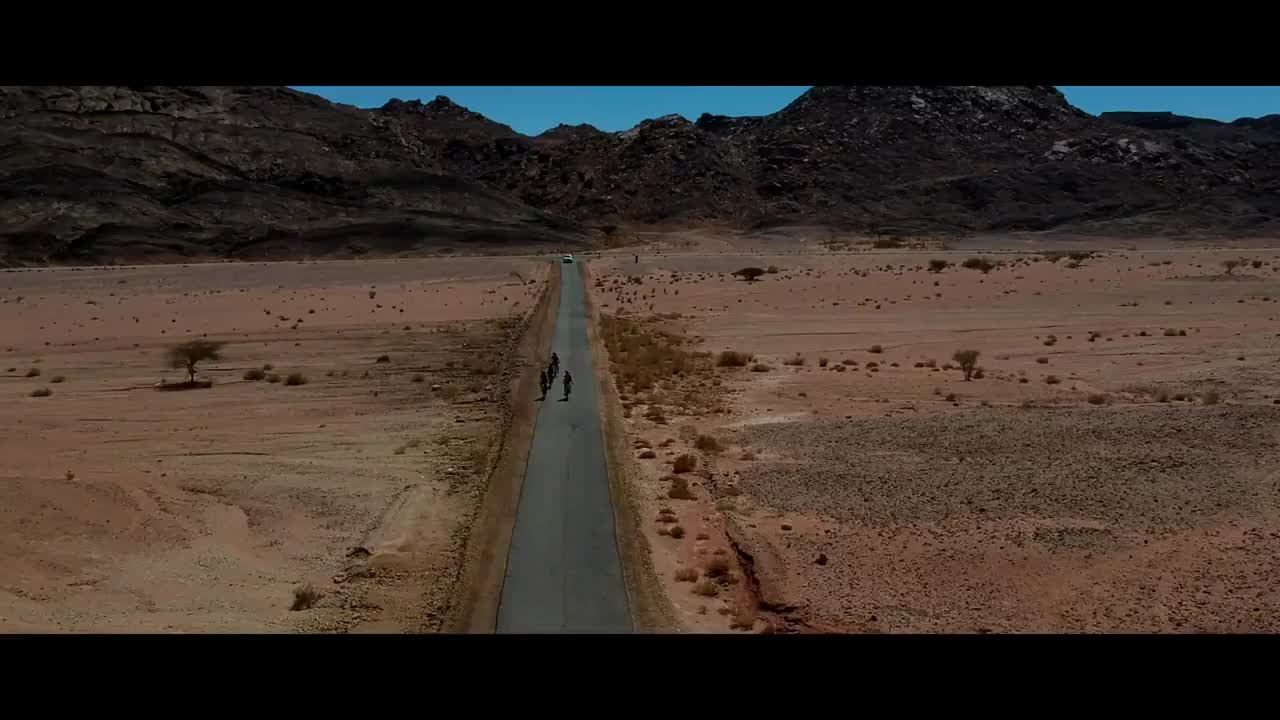
The Timna Valley
- over 7 years ago
- 127 VŪZ
9 


- 5
- Report

The Timna Valley is located in southern Israel in the southwestern Arava/Arabah, approximately 30 km (19 mi) north of the Gulf of Aqaba and the city of Eilat. The area is rich in copper ore and has been mined since the 5th millennium BCE. There is controversy whether the mines were active during the famous biblical, but historically still undocumented, United Kingdom of Israel and its second ruler, King Solomon. Copper has been mined in the area since the 6th or 5th millennium BCE. Archaeological excavation indicates that the copper mines in Timna Valley were probably part of the Kingdom of Edom and worked by the Edomites, described as biblical foes of the Israelites, during the 10th century BCE, the period of biblical King Solomon. Mining continued by the Israelites and Nabataeans through to the 1st and 2nd centuries CE during the Roman period. Timna Valley is notable for its uncommon stone formations and sand. Although predominantly red, the sand can be yellow, orange, grey, dark brown, or black. Light green or blue sand occurs near the copper mines. Water and wind erosion have created several unusual formations that are only found in similar climates.[6] The most striking and well-known formation in Timna Valley are Solomon's Pillars. The pillars are natural structures that were formed by centuries of water erosion through fractures in the sandstone cliff until it became a series of distinct, pillar-shaped structures.[6] American archaeologist Nelson Glueck caused a surge of attention for the pillars in the 1930s. He claimed that the pillars were related to King Solomon and gave them the name "Solomon's Pillars" Although his hypothesis lacked support and has not been accepted, the name stuck, and the claim gave the valley the attention that helped bring about the excavations and current national park. The pillars are known as the backdrop for evening concerts and dance performances the park presents in the summer] The Mushroom is an unusual monolithic, mushroom-shaped, red sandstone rock formation known as a hoodoo. The mushroom shape was caused by wind, humidity, and water erosion over centuries. The Mushroom is surrounded by copper ore smelting sites from between the 14th and 12th centuries BCE The Arches are natural arches formed by erosion, as well, and can be seen along the western cliff of the valley. Arches are not as rare as Solomon's Pillars and the Mushroom, and similar structures can be found in elsewhere in the world. The walking trail that goes to the Arches also goes past the copper mine shafts.
Up Next
Old and New, Graffiti and Glass living in harmony 24/7

- dronturcom
- 1.0k VŪZ
12 - 9
- almost 7 years ago
Mount Arbel
- dronturcom
- 762 VŪZ
7 - 5
- over 7 years ago
Israel Cinematic Travel Film | 4K AERIAL DRONE

- koszoandras_photog...
- 2.3k VŪZ
7 - 7
- over 2 years ago
My Year 23'

- koszoandras_photog...
- 1.7k VŪZ
2 - 1
- almost 2 years ago
Evya FPV - Judaean Desert PART 2 Cinematic FPV

- EvyaFPV
- 528 VŪZ
15 - 10
- almost 5 years ago
The Valley

- Rescuedron
- 850 VŪZ
13 - 13
- about 6 years ago
Christmas Valley

- McKenzie River Dro...
- 997 VŪZ
9 - 7
- over 4 years ago
Views from the Contamines Valley in the French Alps

- Capchure.ch
- 4.3k VŪZ
43 - 26
- almost 9 years ago
The most beautiful valley of Tahiti !

- CYWORKS
- 3.1k VŪZ
31 - 17
- almost 8 years ago
Bavona Valley - Part 2 (Ticino, Switzerland)

- Kpax
- 1.7k VŪZ
12 - 20
- about 2 years ago